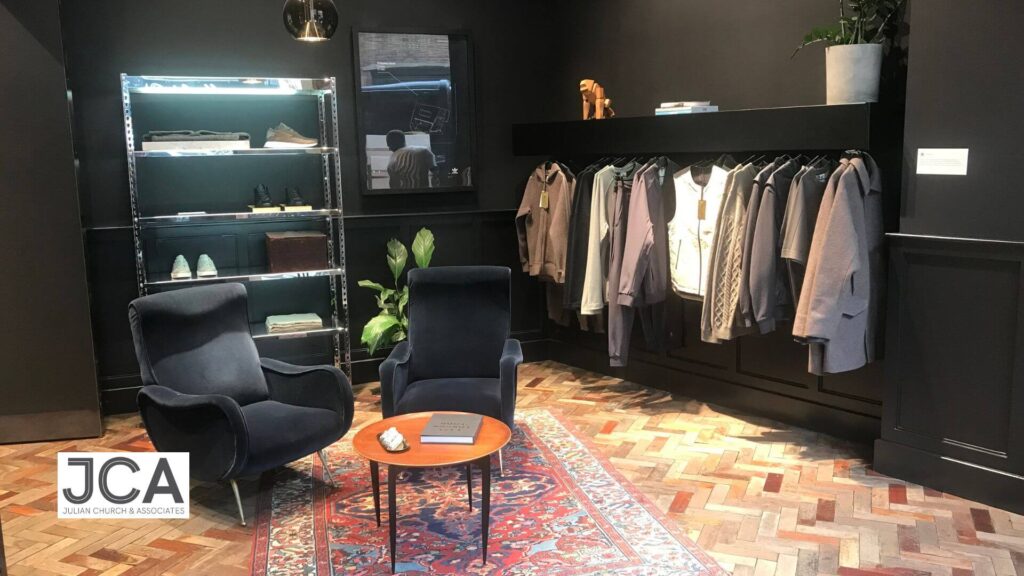
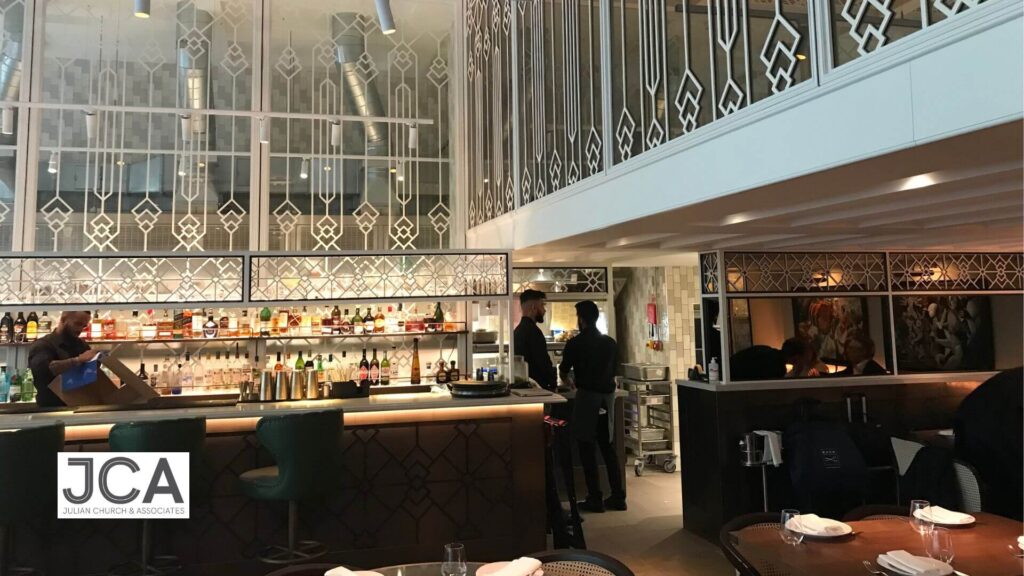
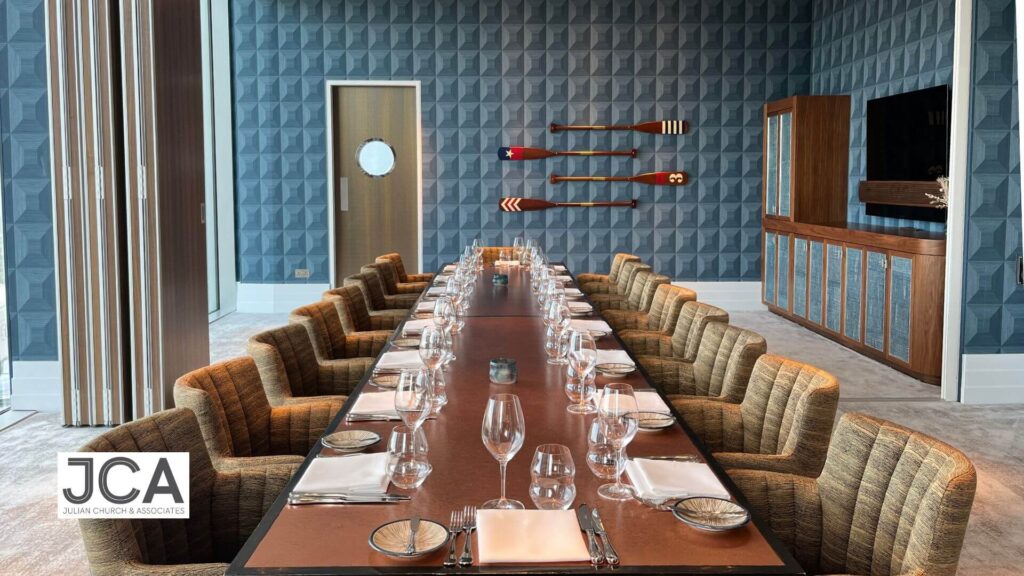
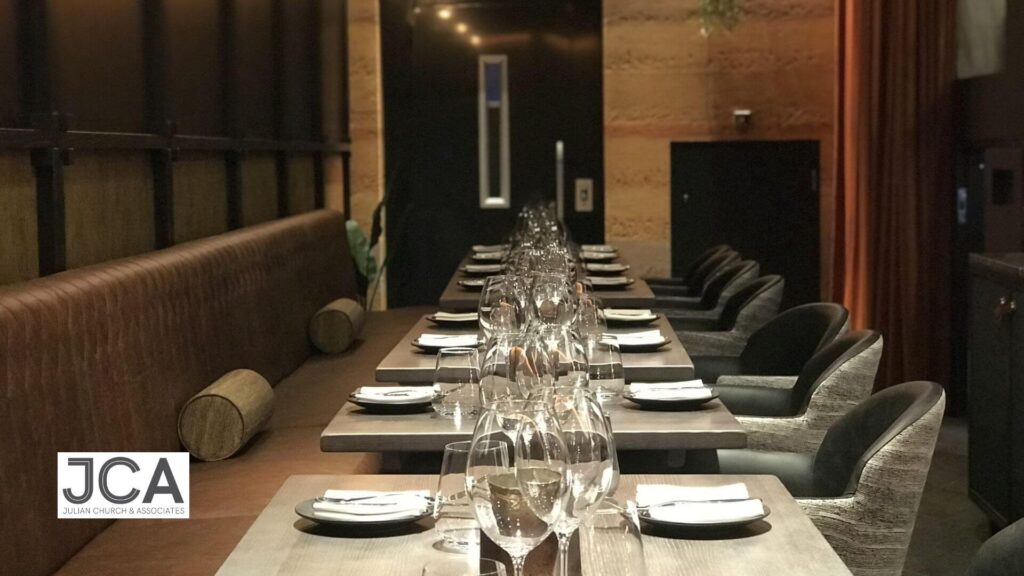
Throughout the IQ 2025, part of our social focus related to ‘Sticking to the Basics’ in our project roles.
Here are some points about how we stick to the basics in the work we do and how you can implement them into your business or day-to-day life.
1.Take Responsibility
The essence of good project management is to:
- take confusing ideas and make them clear.
- take different processes and make them related in sequence.
- take experience of previous projects to provide understanding for this innovation.
- exude calmness and connect, lead and challenge everyone in the room, to see the possibilities that lay just ahead.
2. Repeat To Be Clear That You Understand
Respond, deliver & perform. When the project environment is disciplined and has order, then the project subject will be guided easier; do not swim upstream.
3. Agree a budget
- Prioritize program delivery goals
- Assign authority to make decisions
- Agree level of risk and uncertainty to be included
- Determine costs
- Review and discuss assumptions
- Present to board or committee to sign off
- Document budget decisions
- Implement budget, monitor and respond to changes as required
4. Ask What If and Why
Everything is going to change, it always does, but how it is implemented matters. The implementation requires patience, insight and awareness of the details. We are time served Project Managers inquisitive by nature. We ask what, if and why? We’ve asked millions of questions, listened to answers and learned to communicate clearly, concisely, consistently and effectively. We can use our knowledge of and in the process to benefit your project.
5. Align on Timescales
Four thoughts on timelines and programmes
- keeping deadlines is expected and you can gain satisfaction in creating value for others by keeping your promises on deadlines.
- If people are building dependencies around your promises, keep them informed of any delays, hiding delays just makes last minute realisation and impacts worse.
- Own the programme and if late, be clear that you are aware of that fact, this provides help to the people relying on you to feel seen and respected.
- Create alternatives and adjust/ incorporate for all the team, managing as a whole and not individually. Treat your clients with respect.
6. When You’re Not Sure, Ask
Heroism is more fun but less reliable than good planning.
7. Share Fears, Identify Risks
What kind of project do you want? The project that is run by someone who has earned the skills to anticipate and deal with all the challenges that come up along the way. This isn’t a project where the deadline was met because of hope or good luck, but because effort and planning were put to good use. We see examples of well-run projects all around us. They happen when they’re supposed to because we organized to make that happen.
8. Don’t Hide In Meetings (especially when chair)
Leadership is the act of empowering one or more people to achieve a purpose, which is both required by the project and which allows those being led to realise and enjoy their full potential. Leadership is about getting people to do something for themselves.
9. Find/ Identify People More Skilled To Do Work
Invest in your connections, even those that seem inconsequential. As the project is not creating the plates of food and providing the end guest with service, our role is to be in the service of those that do.
10. Support Belief In Honest Professionalism
At the heart of possibility is change. The passion for change is available to everyone; making a statement is not enough. The expectation is a clear plan and a real commitment to action. For you to make the change to appointing ourselves for your project requires you to understand our beliefs and our story. Please keep following our posts where not only can we demonstrate our work experience but also our purpose and beliefs
11. Speak Up Clearly and Generously
Empathy is a first step toward connection. The depth of a relationship arises not from the amount of time we spend together but from openness, vulnerability & presence. Basic curiosity & using the power of questions.
Questions arise not from a negative judgement but from our professional curiosity: from a desire to truly understand someone. To make a difference, we need the practical empathy to realize that the other person doesn’t know what you know, doesn’t believe what you believe and might not want what you want. We must move from where we are and momentarily understand where they are. Willing your customers to talk about you by word of mouth by is not nearly as productive as making something worth talking about.
12. Pick team with care and then invest
Small organisations pay attention and care very much about each and every customer. Companies that pay attention to the people who care and measure things that matter instead of chasing the short term. Not all businesses are the same.
We get to choose how to act; we choose to be a business for good.
We get to choose how we engage and with who; the choices we make alter the work we do and how we do it.
We want to be a catalyst to enable your project to be strong- we have a desire to build an incredible project team. We can be your project leader.
13. Don’t Hoard Information
- Budgets are a tool, not a weapon.
- Assign each task to the least expensive/least busy people able to get the job done. (This is probably not the project manager).
- Brief and confirm early, then lock down decisions and don’t change them.
- Prioritise feedback from people with experience, skill and influence, not proximity or volume.
- Anticipate the difficult and high-risk moments in advance and reserve resources for the ones you can’t anticipate.
14. Make Promises and Keep Them
The promise we make defines the quality that is expected. Our professional support leads to stability but also requires ongoing effort, care and focus to keep a project on time and within budgets.
15. From Quantity to Quality
Value vs Cheap- they’re not the same. We often seek to receive pricing that is both, but that’s unlikely. The price of having one is generally at the expense of the other. Price becomes a compromise in seeking to get both and then we fail. Better to have value than ‘cheap’.
16. Show Your Work
We would like to demonstrate our work type & then ultimately in time seek to make this a working connection. We provide measured value, managed time & implemented process for fit out. I want to build trust through our timeline & our experience.
17. Project attitudes
Through insight, humanity, self-awareness and process. Soft skills are real, and attitudes are skills. They can be learned, and we can help others learn them as well. We measure more than your project- we are BCorp- we understand the world, our community & our environment around us; see how we measure up
18. Say Please and Thank You
Civility fades in the face of entitlement.
19. Find and offer dignity
Strong relationships and a sense of purpose – consistent involvement in deliberate activities that lead to meaningful engagements with one’s society & community. Our goal is to be useful, remarkable and worth seeking out. Our role as a project manager is to shepherd all the project resources (people, time, effort & money) in a way that provides the maximum possible benefit to those few top priorities that are going to lead to success.
20. Find Engagement and Satisfaction
If we commit to loving what we do, we are more likely to find engagement and satisfaction. I always found meaning in my work, so I worked hard.
21. Relentlessly Seek Better
Some customers gravitate toward the option that offers ease, quality and convenience, while others prefer low price. We seek to provide better by simply caring more. Our work is caring, caring is a purpose, and caring is in short supply. To be better (regardless of price) providing value. It need not cost a lot, but it is worth more than it costs.
22. Develop, Evolve and Re-define.
Redefining profession; architects used to work with pencils and tracing paper to create drawings. Measurement was done with scale rulers. Dimensions were recorded on cut and shuffle paper. Arithmetic was worked up with calculators. Measurements were photocopied before being shuffled. Bills of Quantities were sent away for typing. Standard Methods of Measurement were observed. Forms of Procurement were traditional. All of these jobs are still important. None of them are the same as they were thirty years ago. In our work, we embrace change but understand where we have come from and where we want our profession to go to.
23. From A Class to B Corp.
Through demonstration of our BCorp status , we are making choices to celebrate our professional consultancy but also our potential impact on others. We have the chance to build something that creates connection & generates value
24. Celebrate in Public, Critique in Private
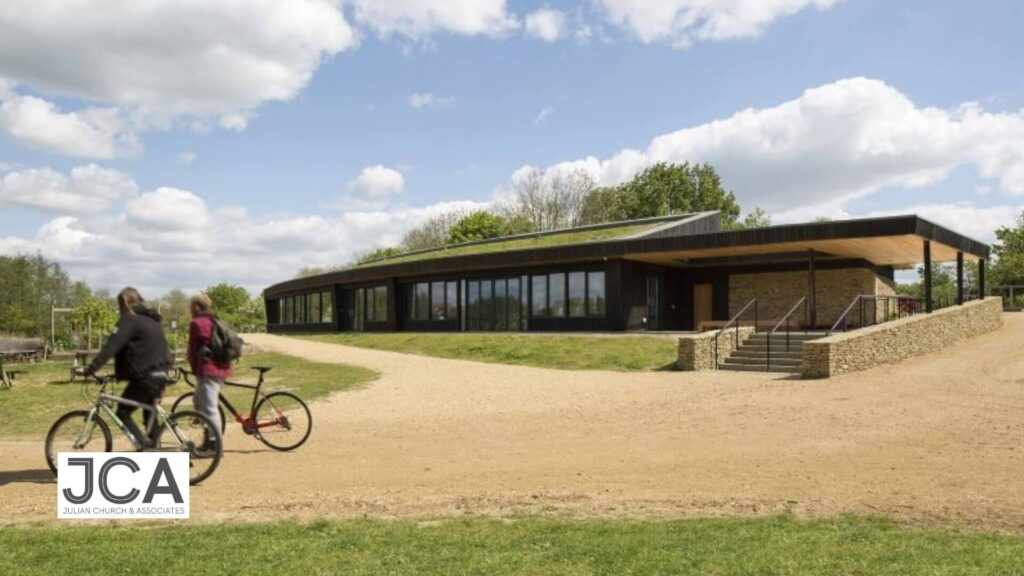
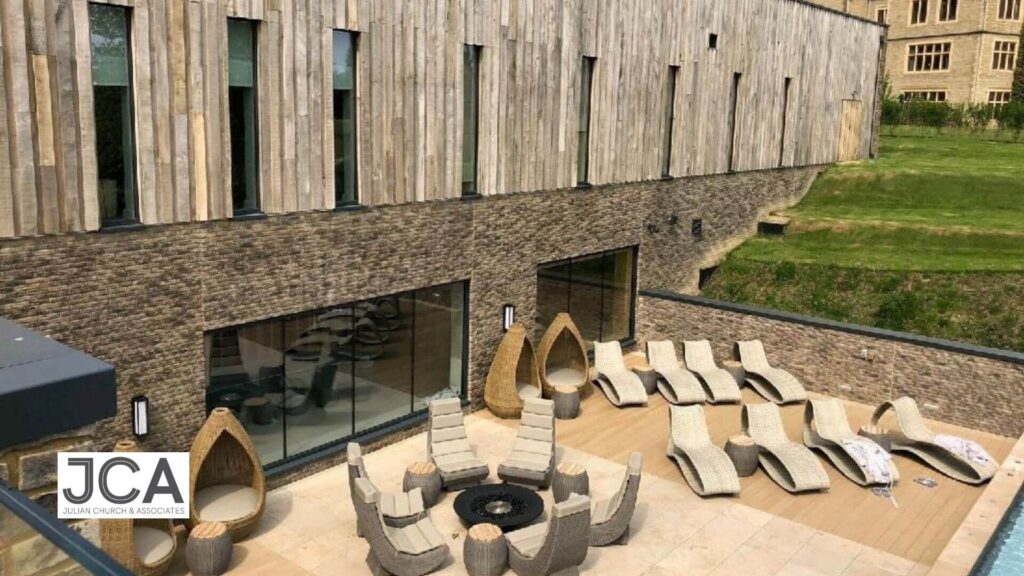
The stunning photographs leave out most of the hard work. The entire process can be difficult, but without the long and many inputs, there isn’t much of a project. We monitor and coordinate the process to enable the end product to be dressed for the photographs.